About this series: This article is part of a 7-part series on fine art insurance products across the art ecosystem. Throughout the series, we use policy forms from XL Specialty’s Commercial Fine Art Insurance Program as a reference point because XL is a leading insurer in the fine art space and its forms provide a useful baseline for understanding how specialized fine art insurance products are structured. References to XL are included for educational purposes to help insurance buyers better understand coverage concepts, policy mechanics, and underwriting considerations.
Table of Contents
When a private collector buys a painting, their primary concern is protecting an asset. When a museum acquires or borrows a painting, it becomes part of a complex operational machine that includes global shipping, restoration, philanthropic gifts, and private loans.
Because museums constantly take physical custody of property they do not own, a standard commercial property policy—or even a basic fine art policy—will not adequately protect them. Securing comprehensive museum insurance is critical to keeping these priceless artifacts safe against unique operational risks.
The XL Museum Policy (XL-CFA-MUS) is specifically engineered for this environment, and this article breaks down how the policy works, how institutions secure it, and what risk managers need to understand about their coverage.
Who This Policy Is For
This specialized form of fine art museum insurance is designed for encyclopedic museums, specialized art institutions, historical societies, and non-profit exhibition centers. It is built for entities that manage a mix of permanent collections, incoming and outgoing loans, traveling exhibitions, and large-scale archives.
How This Buyer Operates in the Art Ecosystem
In the art ecosystem, museums act as central hubs. Unlike commercial galleries that hold inventory to sell, or artists who hold inventory in progress, museums are in the business of preservation, scholarship, and public display.
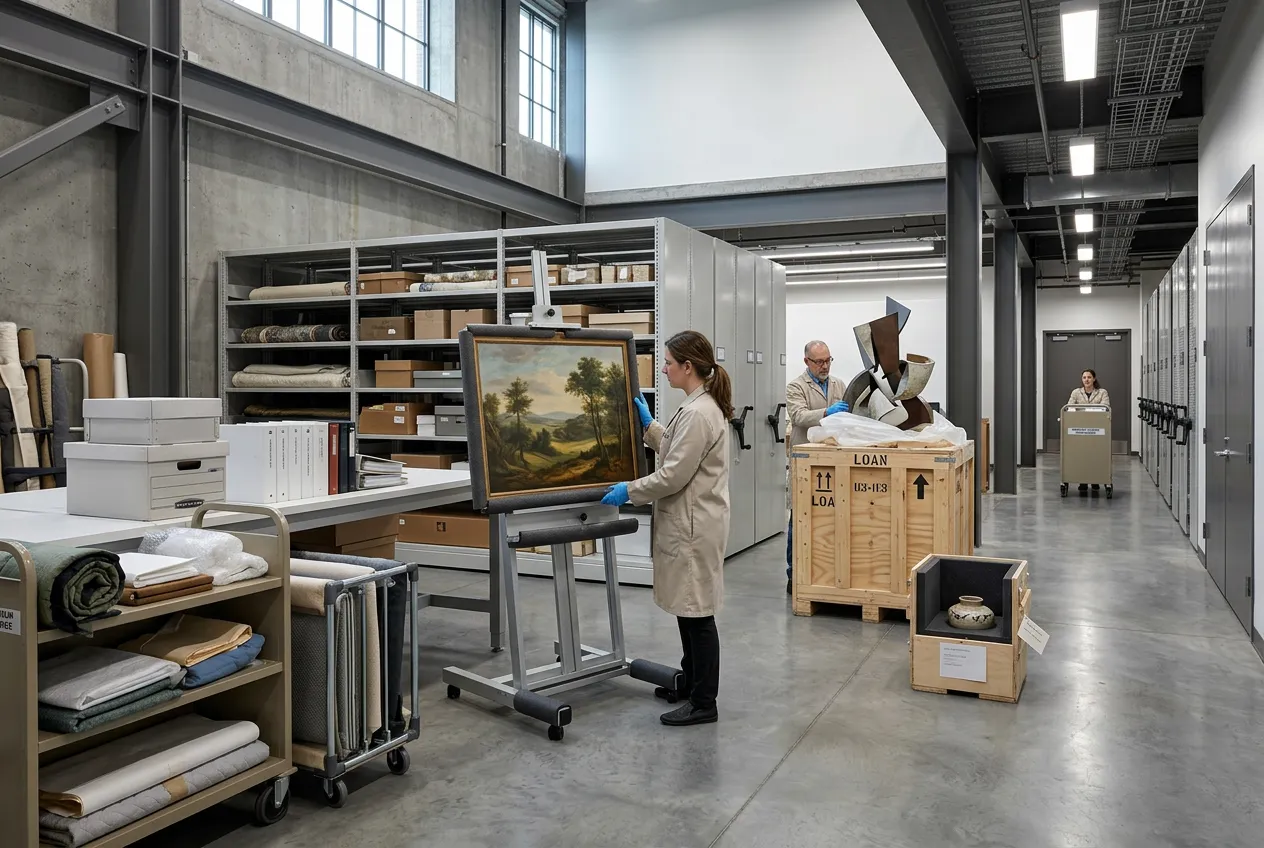
This creates a highly complex custody model. On any given day, a major museum might house:
- Its own permanent collection.
- Priceless loans from other international institutions.
- Property from private collectors who specifically asked the museum not to insure the piece because they carry their own coverage.
- Philanthropic bequests that have been physically dropped off but are still awaiting a formal Board of Trustees vote to accept.
To safeguard these operations, having dedicated museum collection insurance provides peace of mind across the entire web of ownership and liability. The XL Museum Policy is structured to provide seamless coverage across this dynamic environment.
Underwriting Guidelines Considerations
One of the most unique aspects of museum insurance is how the limits are structured. Because museums are heavily funded by grants and philanthropy, it is often financially impossible for them to insure the total market value of their entire permanent collection.
Instead, museums typically purchase a Loss Limit based on their Probable Maximum Loss (PML). This limit is determined by what the Board of Trustees deems affordable, or by the funds required to replace or restore items damaged in a worst-case scenario (like a localized fire).
However, there is one major exception to this rule: Transit. When an object leaves the museum’s heavily protected premises, the hazard increases dramatically. Therefore, while a museum might insure its building’s contents on a loss limit, it will utilize museum exhibition insurance to protect pieces out on transit up to their full value.
What Museum Insurance Actually Covers
This policy takes a broad view of what constitutes museum property. The core coverage grant of modern museum insurance applies to accidental, physical loss or damage.
Covered Property
- Owned Art: Objects of art of every nature and description.
- Borrowed Art: Property of others that the museum has agreed to insure prior to a loss.
- Gifts in Transit/Holding: Property offered as a gift (or for sale) to the museum that is waiting for formal acceptance by the Trustees.
- Infrastructure & Packing: Frames, crates, custom display cases, signage, exhibitry, and packing materials.
- Archives: Reference libraries and materials not meant for sale.
What’s Not Covered
The policy establishes natural boundaries by excluding contraband or any property in the course of illegal transportation or trade.
How Loss Valuation Works
Because a museum’s inventory includes both owned and borrowed items, specific museum loan insurance clauses dictate valuation based on the museum’s relationship to the specific item:
- Owned Property: Settled at “Current Market Value” at the time of the loss.
- Property on Loan: Settled at the agreed amount determined by the museum and the owner prior to the loss.
- Gifts & Bequests: Settled at Current Market Value, but capped strictly at the museum’s legal interest as stipulated in the donor’s will or contract.
- Exhibitry & Reference Libraries: Settled at “Replacement Cost” (the cost to replace display cases or books with similar materials without deducting for depreciation).
- Partial Losses: The policy pays the cost of restoration plus any resulting depreciation, up to the total insured value of the item.
Where the Policy Applies
Because museums frequently lend pieces to other institutions, a strong museum insurance framework provides worldwide coverage (except where legally prohibited). The standard “War” exclusion is explicitly waived for overseas transit.

However, underwriters apply very strict guidelines to transit exposures within fine art museum insurance:
- Transit Sublimits: Transit limits are typically applied per conveyance (per truck or flight) and are usually capped at 25% of the museum’s main location limit.
- Specialized Carriers Only: Coverage relies on the museum using specialized fine art carriers, not standard freight companies. Underwriters expect carriers to have a proven history in handling art, climate-controlled equipment, and a client base of other museums and dealers.
- Waivers of Subrogation: It is standard practice for museums to mutually waive subrogation against each other for shared exhibitions. However, underwriters will highly scrutinize a museum trying to waive subrogation for a third-party packer or shipper; this is usually only granted for thoroughly vetted, specialized carriers.
Key Exclusions and Claim Pitfalls
Every museum insurance policy has boundaries. For museums, keeping coverage intact means strictly adhering to operational requirements heavily driven by the Standard Facilities Report.
- The Inventory Requirement: The policy strictly mandates that the museum maintain a formal collections management policy with a detailed and itemized inventory. If a donor drops off a valuable sculpture and the building burns down before the registrar creates a secure record, the claim could be heavily disputed.
- Protective Safeguards: Insurers expect 24-hour centralized temperature and humidity controls, central station smoke/heat detection, and pre-action sprinkler systems. If a museum disables a required UL-approved burglar alarm or climate control system without notifying the insurer, coverage is jeopardized.
- Unapproved Restoration: If an in-house conservator damages a canvas while trying to repair or clean it, the loss is excluded unless the insurer provided prior written approval for the restoration work.
- Insects and Vermin: Damage caused by moths, rodents, or other vermin is strictly excluded.
- Earthquakes: The form broadly excludes earth movement, sinkholes, and landslides. Unlike some other property exclusions, there is no “ensuing fire” exception carved out for earthquakes.
Real-World Claim Examples
To understand how the XL Museum Policy responds in practice, consider these two highly specific museum insurance scenarios:
Scenario 1: Bridging the U.S. Indemnity Program
- What happened: A museum hosts a high-value European painting exhibition protected primarily by the U.S. Government Arts Indemnity Program. A painting is stolen, and the federal program requires the museum to bear the first $500,000 of the loss (a statutory deductible).
- Would it be covered? Covered.
- Why: The XL Museum Policy includes a specific coverage extension for this exact scenario. It pays the federal deductible up to $500,000, seamlessly bridging the gap between the museum’s commercial retention and the federal indemnity attachment point.
Scenario 2: The Sued Bailee
- What happened: A private collector loans a sculpture to the museum but instructs the museum not to insure it, as they rely on their own private policy. A museum forklift accidentally drops the sculpture. The collector’s insurer pays the claim, but then sues the museum for the damage.
- Would it be covered? Covered.
- Why: The museum insurance policy includes “Bailee Legal Liability.” Even though the museum was instructed not to insure the property, the policy steps in to defend the museum and pay proportionate legal costs and judgments (provided the museum hadn’t previously signed away its liability via a formal release).

How the Common Policy Conditions Affect Coverage
The main policy form doesn’t operate alone; it is paired with the XL Common Policy Conditions (XL-CFA-CPC). This supplemental document adds critical operational protections for institutions relying on museum collection insurance:
- Loss Buy-Back: For a museum, historical preservation matters more than financial reimbursement. If a stolen masterpiece is recovered by the FBI years after a total loss claim was paid, the Buy-Back provision gives the museum the right to repurchase the recovered artwork from the insurer, keeping the permanent collection intact.
- Privilege to Adjust with Owner: If a museum damages a loaned artifact in its custody, the insurer has the right to bypass the museum and negotiate the settlement directly with the third-party owner. This saves the museum from navigating a highly contentious financial dispute with a peer institution or valued donor.
- Declared Value Protection: Museums often declare low nominal values on shipping documents (bills of lading) to reduce transport costs. The conditions form explicitly states that these low shipping declarations will not be used against the museum to reduce their actual museum insurance claim if an accident occurs.
Final Takeaway
The XL Museum Policy deeply understands its buyer. It anticipates the realities of federal indemnities, bailee liability, and the unpredictability of philanthropic gifts. For any institution, proper fine art museum insurance is an essential element of long-term sustainability.
However, understanding the baseline structure of a museum insurance policy is only the first step. Actual coverage always comes down to the specific endorsements, sublimits, and transit conditions attached to your unique program. A policy is only as strong as its alignment with your institution’s actual operations.
Get Clarity on Your Museum Insurance Program
Understanding how a leading museum policy works is important. The next step is confirming that your own program is built the right way.
PlausTech is a licensed commercial insurance broker that uses CoverageXpert and CoverageLocator to review policy language, compare your coverage to leading market options, and identify structural differences that could matter in a claim.