Figma’s IPO and the Insurance Playbook Every Exec Needs
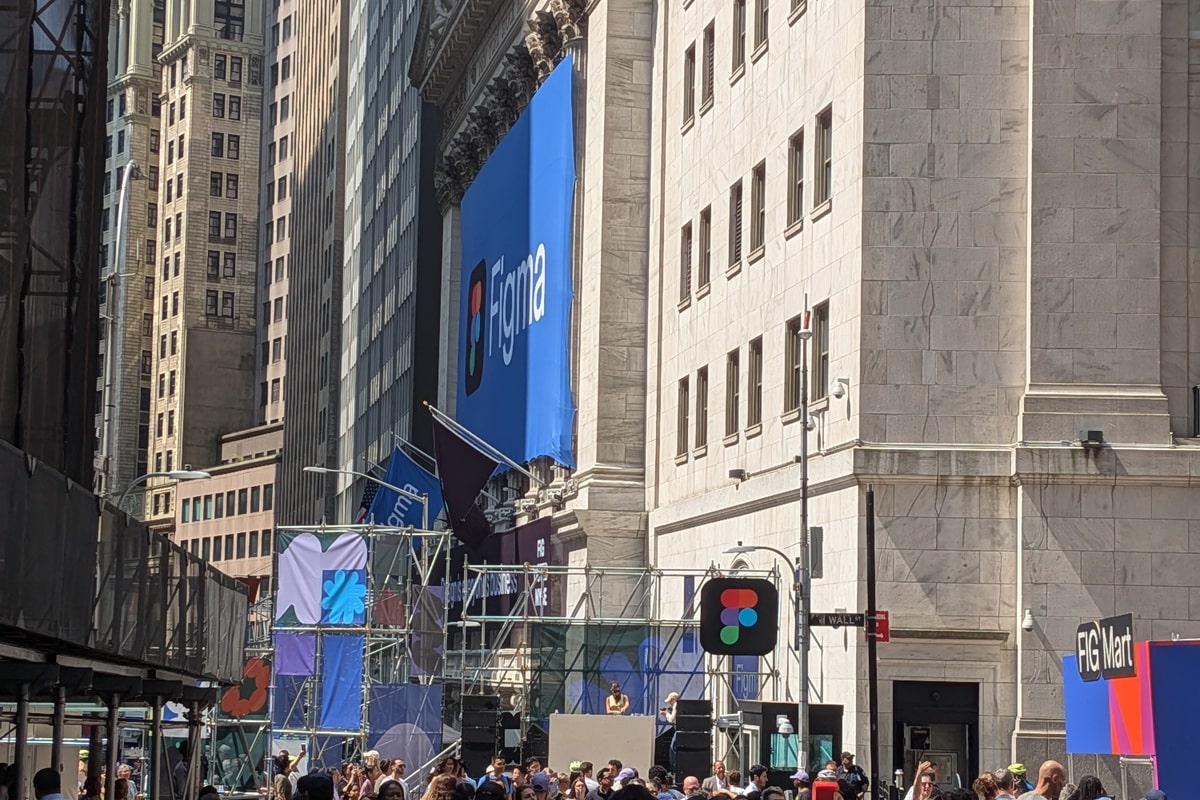
The tech world cheered as Figma—the innovative design software unicorn—rang the bell at the New York Stock Exchange. While the cameras captured the celebration, a high-stakes process was unfolding behind the scenes: completely revamping the company’s IPO D&O insurance strategy to reflect their new reality as a publicly traded enterprise.
Figma’s IPO was a blockbuster—priced at $33 per share, raising $1.2 billion, and immediately gaining 250% on day one, driving its market cap toward $67 billion. Read more here on MarketWatch and Axios.
Transitioning from a venture-backed private company to a public corporation is exhilarating—but it comes with substantial risk. One of the most critical tools to manage that exposure is a well-structured IPO D&O insurance program.
So how does a company like Figma proactively manage these new liabilities?
Let’s dive into the 3-phase strategy every founder needs to understand.
IPO D&O Insurance: The Three Pillars of Protection
At its core, D&O insurance protects a company’s directors and officers from lawsuits alleging wrongful acts committed in their leadership roles.
When a company goes public, the stakes skyrocket. The policy must serve three essential objectives:
Side A: The Personal Lifeline for Directors & Officers
This is the personal safety net for executives. It protects directors’ and officers’ homes, savings, and investments when the company can’t legally or financially indemnify them.
Without robust Side A protection, no experienced executive should sit on your board.
Side B: The Corporate Shield (Reimbursement)
Side B reimburses the company after it pays legal costs on behalf of its leaders. This protects your corporate balance sheet from major financial drains.
Side C: The Corporate Shield (Entity Coverage)
This provides direct coverage to the public company itself, primarily for securities claims. It is a crucial layer of balance sheet protection against lawsuits alleging misrepresentations that lead to a stock drop.
The 3-Phase IPO Insurance Strategy
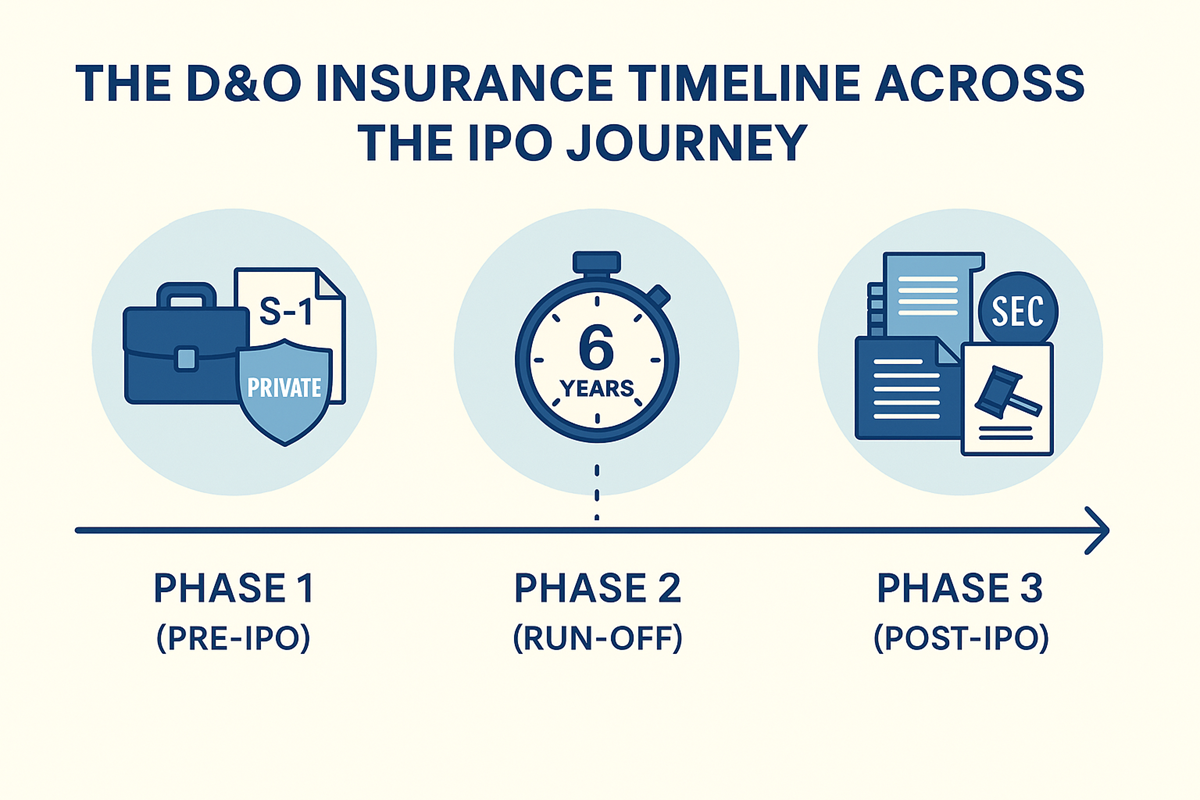
Figma didn’t just “buy” D&O insurance the day it went public. A strong IPO insurance strategy is phased and deliberate:
Phase 1: Strengthen the Private D&O Program
- Roadshow Coverage: The IPO “roadshow”—where executives pitch to investors—is a period fraught with litigation risk. Misstatements or omissions in the S-1 or investor presentations can trigger claims. Brokers proactively secure special endorsements to cover this period explicitly.
- Failed-IPO Protection: This specialized endorsement provides coverage if volatile markets or other circumstances force the company to withdraw its IPO, protecting against the risk of stranded litigation claims.
Phase 2: Lock in a Smart Run-Off Structure
Once the IPO is finalized, the private company policy doesn’t simply end—it transitions into “run-off.” This means no new coverage is granted, but existing protection extends for typically six years, addressing claims related to pre-IPO activities that surface later.
- Straddle Language: Insurance brokers and specialized attorneys collaborate to draft precise “straddle” wording to ensure seamless coverage between the old private policy and the new public policy, preventing insurers from shifting responsibility and creating gaps.
Phase 3: Build a Multi-Layered Public D&O Tower
With the IPO complete, Figma now faces an entirely new landscape of risks—primarily shareholder litigation. The public-company D&O insurance program reflects these unique risks:
- Higher Limits & Premiums: Massive potential claims necessitate significantly larger coverage limits, typically layered across multiple insurers (forming a “tower”).
- Side A DIC Coverage: The “difference-in-conditions” (DIC) coverage offers additional protection, stepping in if the primary insurance carrier rescinds coverage or becomes insolvent, ensuring personal assets remain shielded.
- Compliance & Regulatory Alignment: Post-IPO, stringent SEC regulations and governance requirements introduce new exposures. A best-in-class public D&O policy explicitly covers these evolving regulatory risks.
5 Questions Every Founder & Board Should Ask
- Does our private policy include roadshow and failed-IPO coverage?
- Is our run-off period long enough to capture all private-era risk?
- Have we crafted airtight straddle language between policies?
- Are our Side A protections strong enough to attract top board talent?
- Are our limits and retentions benchmarked to peer IPOs?
The PlausTech Advantage: CoverageXpert + CoverageLocator
Structuring IPO D&O insurance isn’t a checkbox—it’s a strategic decision with million-dollar consequences.
That’s where PlausTech comes in.
We’re the only broker powered by CoverageXpert, a proprietary database indexing every admitted D&O form and endorsement in the U.S.
Our CoverageLocator technology:
- Analyzes your program in real time
- Exposes hidden gaps
- Recommends the endorsements that upgrade your coverage from good to elite
Whether you’re planning to go public or already listed, we ensure your policy is built for the challenges you face.
Ready for a Free D&O Policy Review?
Protect your board. Protect your balance sheet. Protect your peace of mind.
Schedule your free, no-obligation D&O insurance review with our experts today, and build a best-in-class insurance program—engineered for IPO-level risk.